In the corridors of the Texas Capitol, where influence is currency and access determines outcome, one man’s fingerprints are all over the battle to decide the future of THC in Texas: Lieutenant Governor Dan Patrick. While Governor Greg Abbott weighs Senate Bill 3—a sweeping ban on hemp-derived THC products—Dan Patrick has already chosen his side. And he’s been stacking the deck.
This isn’t just another tale of moneyed lobbying and legislative maneuvering. The facts suggest a pattern that edges uncomfortably close to official oppression, a crime under Texas Penal Code § 39.03, where a public servant uses their position to intentionally mistreat someone or deny them a right.
Let’s walk through how Patrick — directly or through his proxies — may have done exactly that.
A market war disguised as a public health issue
In 2021, AFI Capital Partners poured $21 million into Texas Original Compassionate Cultivation (TOCC), the state’s leading licensed medical cannabis producer. That same year, THC products made from hemp—legal under the 2019 federal and Texas hemp laws—began to outsell their prescription-only counterparts. Suddenly, the monopoly granted to licensed medical marijuana producers was no longer secure. Demand dropped. Patients defected. The state’s entire tightly controlled “Compassionate Use” market was eclipsed by walk-in, over-the-counter sales of delta-8, delta-9, and THCA.
Rather than compete, TOCC called for war. And Dan Patrick was their general.
After TOCC’s decline, AFI Capital managing director Nico Richardson stepped in as CEO and began lobbying for a total ban on hemp-derived THC. Public records show TOCC hired Logan Spence– Dan Patrick’s former chief of staff, paying him upwards of $417,000. That’s not unusual in Austin. But what is unusual is how Patrick then used his office to push a bill that would effectively kneecap an entire retail industry—one supported by the majority of Republican voters.
The Patrick machine
Senate Bill 3, which bans hemp-derived THC starting this September, would gut a $5.5 billion industry and jeopardize over 50,000 jobs. Yet, despite overwhelming grassroots support for retail THC—including 135,000 petition signatures and hundreds of public testimonies— the bill sailed through Patrick’s Senate with little resistance.
Patrick didn’t just allow the bill to advance, he greased the rails. TOCC wasn’t the only company with ties to his orbit. A new pro-SB3 medical cannabis company— Blissful CannaCo— popped up last December and hired a lobbyist with social and academic ties to Patrick’s assistant general counsel. In Texas, that kind of proximity is not coincidence, it’s calculation.
When public officials take steps to rig regulatory outcomes to favor personal allies or economic interests—especially at the expense of broader constitutional rights like due process, equal protection, or economic liberty—that’s not just bad policy, that could be classified as official oppression.
The legal standard
Under Texas law, a public official commits official oppression when they use their position to intentionally mistreat or arrest someone or intentionally deny or impede a right knowing their conduct is unlawful.
Patrick’s conduct raises serious questions under each of these elements:
•Intentionality. The legislation wasn’t neutral—it was laser-targeted at retail THC products that compete with his allies’ investments.
•Mistreatment. The retail hemp industry wasn’t just ignored—it was targeted for eradication through sweeping regulation despite its popularity and economic contributions.
•Unlawfulness. If this regulation is proven to be a backdoor attempt to re-establish a state-protected monopoly benefiting politically connected actors, it could be viewed as an unconstitutional abuse of office.
Even if not criminal, it fits the spirit of the statute. And at a minimum, it’s oppression in the court of public trust.
Who really loses?
While Patrick pulls levers in the shadows, everyday Texans are the ones caught in the crossfire. Medical cannabis serves only 29,000 patients. Retail THC serves millions. Texans have made their choice clear: they want safe, accessible cannabis, without a doctor’s gatekeeping or political games. If Senate Bill 3 becomes law, it won’t be because science demanded it or voters asked for it. It will be because Dan Patrick decided to help out his friends.
And that is exactly why the question of official oppression isn’t just theoretical. When political power is used not to protect the public, but to crush competition and protect a financial elite—that’s not politics as usual. That’s a potential abuse of office.
What now?
Governor Abbott has until June 22 to sign, veto, or ignore Senate Bill 3. If he signs it, expect outrage. If he vetoes it, expect war within the GOP. But no matter the outcome, the role Dan Patrick has played deserves public scrutiny—and maybe more than that.
Because when politicians tip the scales for their allies and crush the will of the people, it’s not just cannabis rights at stake, it’s the rule of law.


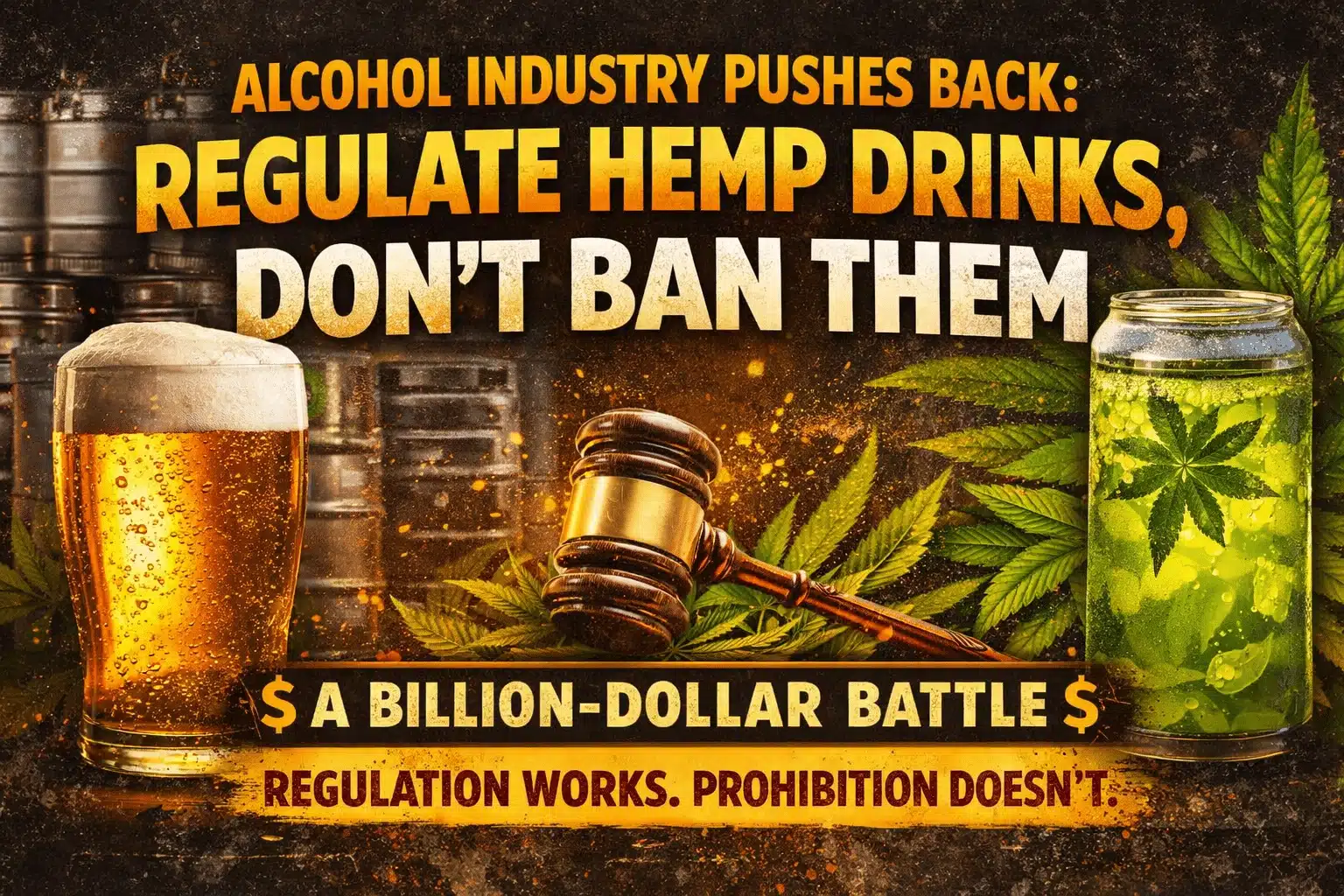
 Regulation Over Prohibition
 A Billion-Dollar Battle
 The Bigger Picture
 Bottom Line
